• Overview
  • Blog
  • About
  • Contact

Robert Barbere

~ All In A Day's Work

Robert Barbere

Category Archives: Politics

The Hub of Ancient Humanity

15 Wednesday Oct 2014

Posted by robb1138 in History, Politics

≈ Leave a comment

Tags

Agriculture, ‘Fertile Crescent, Christianity, Civilization, Cradle of Civilization, Euphrates, Islam, Jericho, Judaism, Middle East, Nile Valley, Society, Tigris, War, Zoroastrianism.

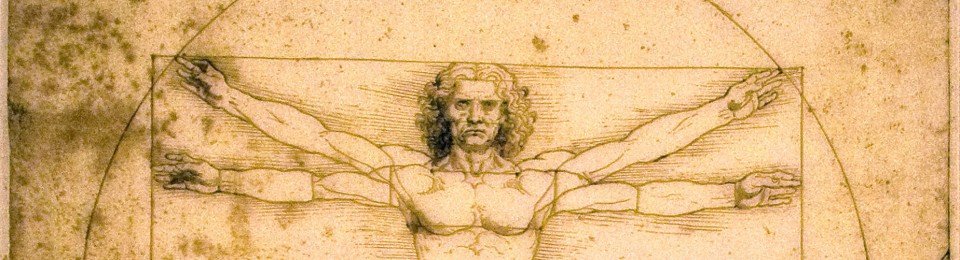
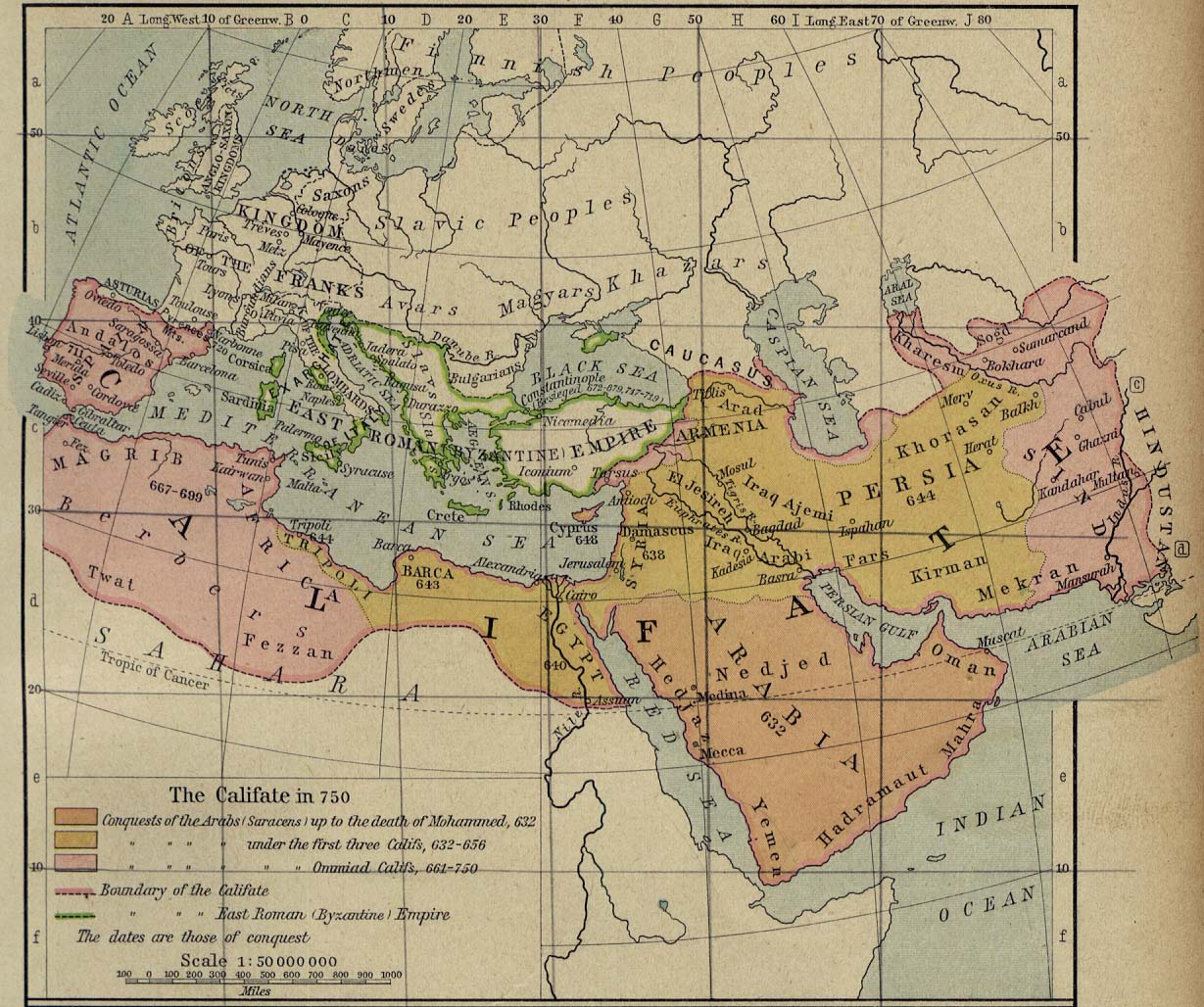
Ancient Hub of Ancient HumanityWhile studying the Middle East as the ‘Cradle of Civilization’ one can see that the three basis of ancient civilization were Agriculture, Civilization, and War. Although life existed in the African continent prior to a migration of human settlers into the area we now call the Middle East about 50,000 years ago. The area within the Middle East, that is historically known as the ‘Fertile Crescent’ provided humans with the ability to stop their wandering (hunters – gathers) in search of food, due primarily to an abundant water supply, rich soil in which to plant grains, and the ability to herd cattle and sheep.

The ability to provide an agricultural base let to the settling of towns, where trade could take place. These towns grew into cities, and then into empires. Trade disputes required laws and the family patriarchs, became rulers. Around the Tigris and Euphrates and the Nile Valley are were the first ancient cities cropped up. Jericho, near the Jordan river sprung up as well and provided man with fortifications against other tribes, from taking their land for their agriculture purposes. Continue reading →

Middle East Stereotypes – Culture and Politics

13 Monday Oct 2014

Posted by robb1138 in History, Politics

≈ Leave a comment

Tags

Arabian Peninsula, Bedouin, Christianity, Crusaders, Culture, Islam, Judaism, Media, Middle East, Mohammed, Mustafa Kemal, Politics, Sex and the City 2, Stereotypes, Totalitarian, Turkish Republic, Western Society

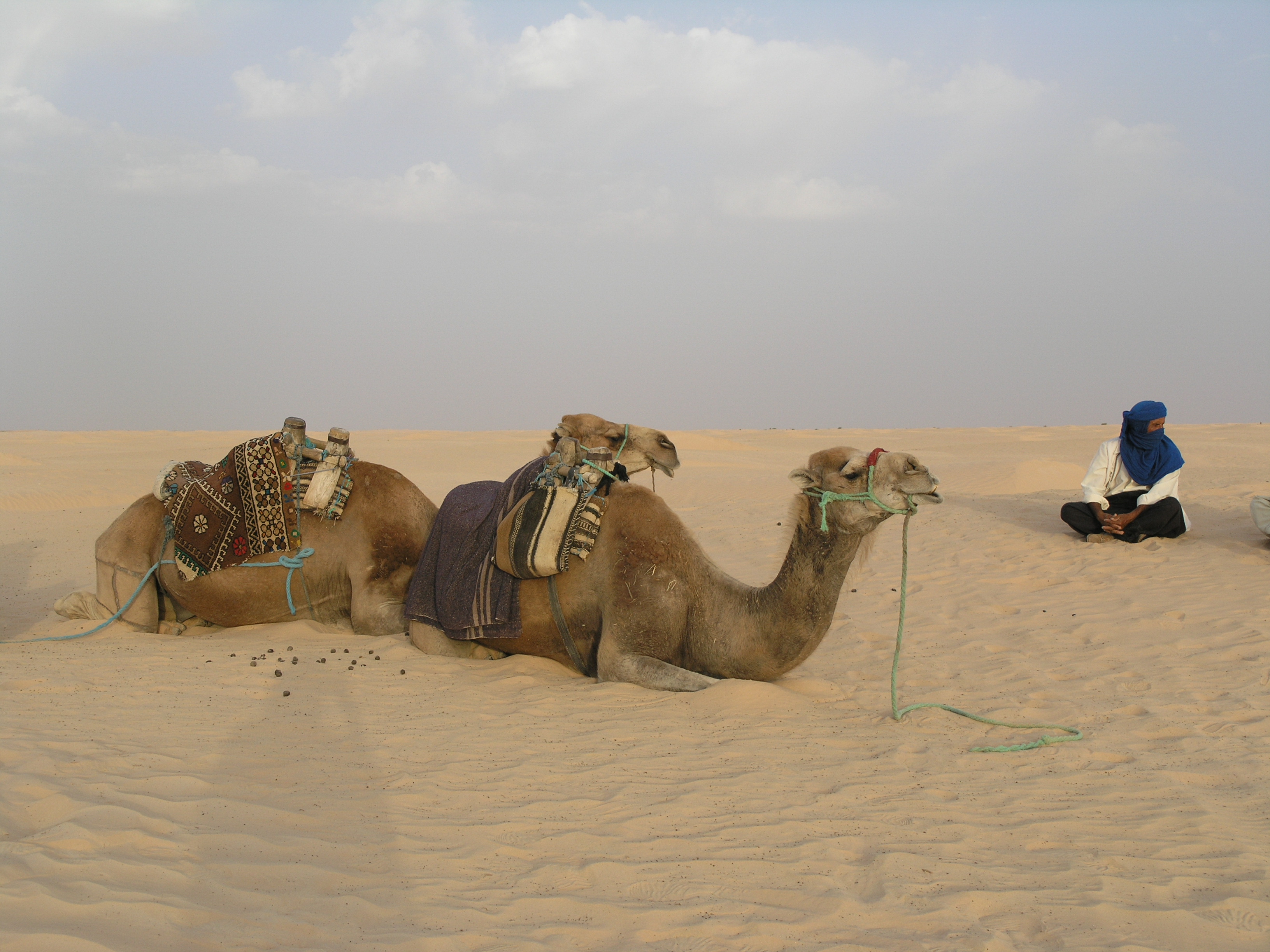
A man and his camelsStereotypes
In Western Society, one grows up in a world that is utterly alien and foreign to the Middle East. We develop our “knowledge” of foreign cultures through education at school and by the media. Whether it is on local news, or by watching a film about the Middle East, we build our perceptions on these images. The image of Bedouin wanderers, in their flowing robes, and a devotion to material items gives one the wrong impression of a more complex civilization. I grew up watching films like “Lawrence of Arabia,” and although I am not a fan of the “Sex and the City 2” film, I did see it. In these two films, one receives a misunderstanding of Middle Eastern culture. Women in various places on the Arabian Peninsula enjoy the same liberties and the same freedoms that women in the West do. Nor are all the men crazed extremist wanting to destroy buildings, planes, or people. However, in our minds, even though we are human beings, we still have great differences to overcome besides stereotypes.

Culture
Besides the stereotypes that have been growing in our minds about the Middle East, we also must consider their culture. The consensus of Middle Eastern culture by the West, is that it is still in the 19th century. However, that is not the case. With Mustafa Kemal and the role he played in the beginnings of the Turkish Republic, we can see that other Middle Eastern nations are also attempting to modernize their countries so that they may participate with Western society. At various times after World War I, various nations like Iran also modernized, even though it was through totalitarian means. However, as much as Middle Eastern countries try to modernize under democratic thought, I don’t think that it will work.

Politics in the Middle East are extremely complex and not as simple as many think. The various political structures in the Middle East can be broken down to a simple axiom that their culture ingrained into them for centuries, “I against my brother, my brothers and I against my cousins, then my cousins and I against strangers.” Throw in the ideals offered by Islam, over a thousand years of wars, including tribal wars, wars against the Turks, and wars against invading Crusaders, all building a defensive political mindset. Middle East politics is complex precisely because of the religious factor. When there are two divisions of faith, and divisions at tribal levels, it becomes difficult to arrive at a consensus at the national level. I think that if Middle Eastern countries could “get with the program” then all would be good in the world, however, that is not going to be the case. Although Islam, as taught by Mohammed was not a hateful religion toward other faiths such as Christianity, and Judaism, after 1000 years, hate still drives all sides. However, I still wish to remain hopeful that there is some common ground that we as human beings can come to and work together.
Culture Filters Perception

08 Wednesday Oct 2014

Posted by robb1138 in History, Politics

≈ Leave a comment

Tags

Abd al-Karim Qasim, April Glaspie, Basra, Cold War, Culture Filters Perception, Iraq, Kuwait, Middle East politic, Ottoman Empire, Patriarchal Culture, Saddam Hussein, Shaykh Abdullah II Al-Sabah, Sunni Muslim, World War I

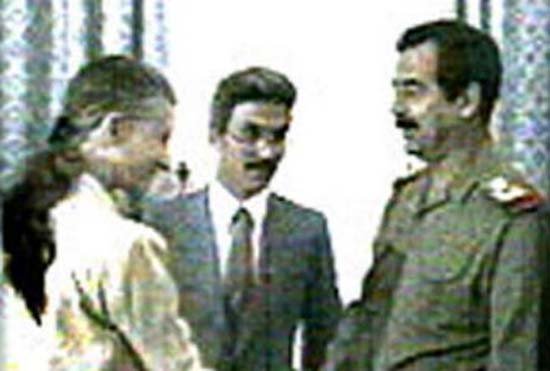
April Glaspie met with Saddam Hussein on July 25, 1990

April Glaspie shakes hands with Saddam Hussein

As my understanding of Middle East politics and history sharpened, I began to understand, the almost laughable conclusion that in 1990 Saddam Hussein “believed that he had U.S. approval to invade Kuwait.”  But carefully examining the situation, it seems almost plausible. One can sum up Saddam Hussein’s misconception of the consequences of the invasion of Kuwait with his Iraqi troops as, culture filters perception. Two groups of people, communicating with each other, using a common terms, but filtered and interpreted completely different. Certain events in the history of Middle East relations with the United States and specifically the person whom Saddam Hussein communicated with apparently led the Iraqi leader to feel that he had a free pass to invade Kuwait. Continue reading →

The Middle East: Misconceptions Instilled by David Lean’s “Lawrence of Arabia”

07 Tuesday Oct 2014

Posted by robb1138 in History, Politics

≈ Leave a comment

Tags

Arabian Peninsula, David Lean, Europeans, Germans, Lawrence of Arabia, Middle East, Ottoman Turks, T.E. Lawrence, Unified Arab Nation, World War I

Lawrence of ArabiaWhen I heard that actor Peter O’Toole died last year on December 12, 2013, I was sad. Mr. O’Toole was nominated for an Academy Award for a film called “Lawrence of Arabia.” Although the film was loosely based on T.E. Lawrence’s accounts of his time in the Arabian Peninsula during World War I, it was director David Lean’s depiction of the peoples of that area, in contrast to what at the time we considered civilized people are like, that sets the tone for misconceptions about what living in the Middle East is like. In the film, Lean depicts the peoples as warring tribes too intent on fighting over watering holes, and on petty arguments between tribes, instead of fighting for their own independence from the Ottoman Turks. The film has Lawrence giving the concept of a unified Arab nation, of tribes united under a common flag, of similar peoples with similar beliefs, and similar culture could not even be fathomed by the Arabs themselves. He also shows the people as backwards and manipulated by the smarter Europeans, whose only concern is using the Arabs as a sideshow to distract the Turks from helping the Germans on either front during World War I. Continue reading →

At What Cost?

05 Sunday Oct 2014

Posted by robb1138 in History, Politics

≈ Leave a comment

Tags

British Empire, Iran – Contra affair, Middle East, Nicaragua, Persian Gulf, Reagan Administration, United States, World War II

Throughout the 20th and the first decade and a half of the the 21st century, history proves that getting involved with any country in the Middle East is like getting in between family members already in the middle of a family fight. For example, take the British and their involvement in the area. Insidiously being dragged further into the politics of each country that the crown wanted as an ally or for the need of oil. The British wish to control the area required many concessions to the various tribes including the cost in finances, military arms, and personnel.

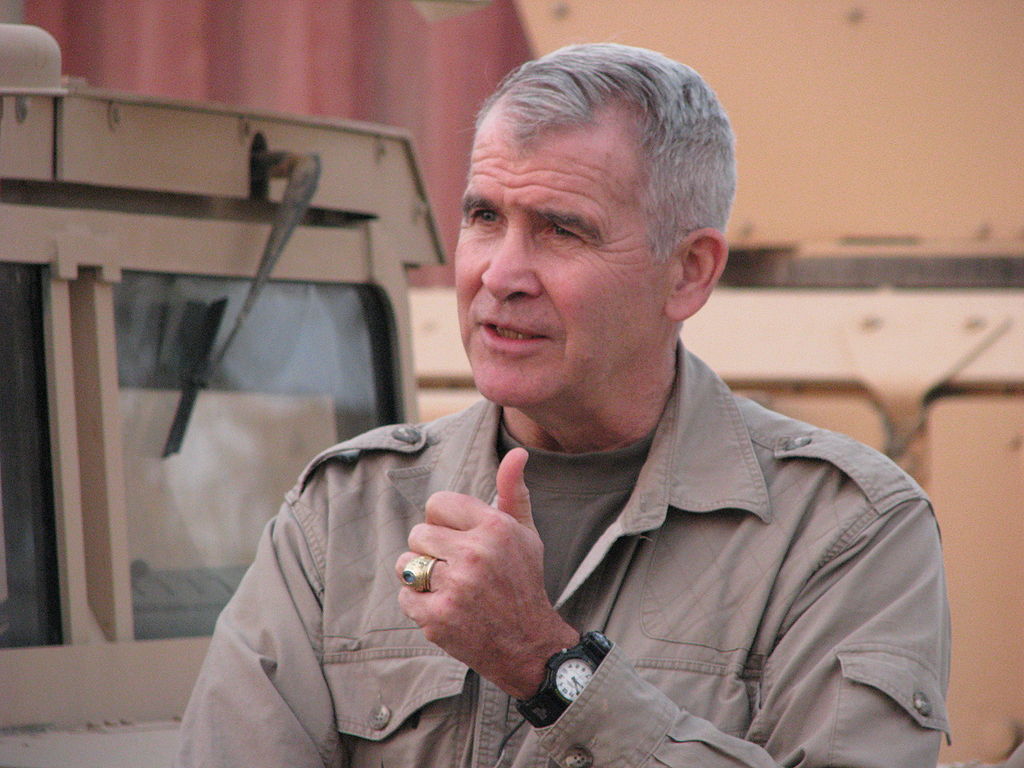
Oliver NorthAlthough the United States has had a presence in the Gulf since the end of World War II, dealing with the changing world politics, friends become enemies and enemies become friends. It is all a matter of timing. The Iran – Contra affair is a good example of this. After a splinter Iranian group took seven Americans hostages, high-ranking officials in the Reagan government thought they could use weapons as a bargaining chip with the Iranian government to apply pressure on the splinter group. The CIA sold weapons to Iran, at a considerable markup. Unfortunately, dealing with the Iranian groups became more involved, and for each sale of arms to Iran, the kidnappers released only one hostage. Selling of arms to the Iranians, who was, and is still under an arms embargo, was illegal.

The proceeds would go to the Nicaragua contra revolutionaries. . The “contras” were receiving military and financial support from the United States government. The United States Congress cut off their funds due to human rights violations. The Reagan administration decided to continue to help this group in spite of Congress. The sale of the arms to Iran, through Israeli middlemen were supposed to be a secret. A plan that was to release seven prisoners ended up being a two year affair and started with negotiations with a moderate Islamic Iranian group, that was modified into dealing with moderates within the Iranian Army, then finally changed to eliminating the Israeli middlemen and selling directly to the Iranian government.

← Older posts
Newer posts →

Welcome

Robert Barbere

Start here

  • Overview
  • Blog
  • About
  • Contact
Follow Robert Barbere on WordPress.com

Blogs I Follow

  • Barbere Productions
  • Strong Language
  • Thought Catalog
  • hessianwithteeth
  • The Daily Post
  • A Constantly Racing Mind...

RSS A Constantly Racing Mind

  • Battlestar Galactica: Blood & Chrome | Viper Mark lll Unboxing & Summary.
  • Battlestar Galactica Eaglemoss Hero Collection | Cylon Raider Unboxing
  • Denis Villeneuve's Dune Crysknife | Parts 1 & 2
  • Battlestar Galactica Viper Mark l
  • The Black Death and the Plague Doctor mask
  • The Cross of King Arthur | Reel Art
  • Untitled
  • Indiana Jones and the Grail Tablet
  • Dune, Arrakis, Desert Planet - Unboxing the Crysknives of the Film and Mini-series
  • Dark News Update

Blog at WordPress.com.

Barbere Productions

Professional Voice Talent

Strong Language

Thought Catalog

Thought Catalog is a digital youth culture magazine dedicated to your stories and ideas.

hessianwithteeth

This site is all about ideas

The Daily Post

The Art and Craft of Blogging

A Constantly Racing Mind...

All In A Day's Work

  • Subscribe Subscribed
    • Robert Barbere
    • Already have a WordPress.com account? Log in now.
    • Robert Barbere
    • Subscribe Subscribed
    • Sign up
    • Log in
    • Report this content
    • View site in Reader
    • Manage subscriptions
    • Collapse this bar
 

Loading Comments...